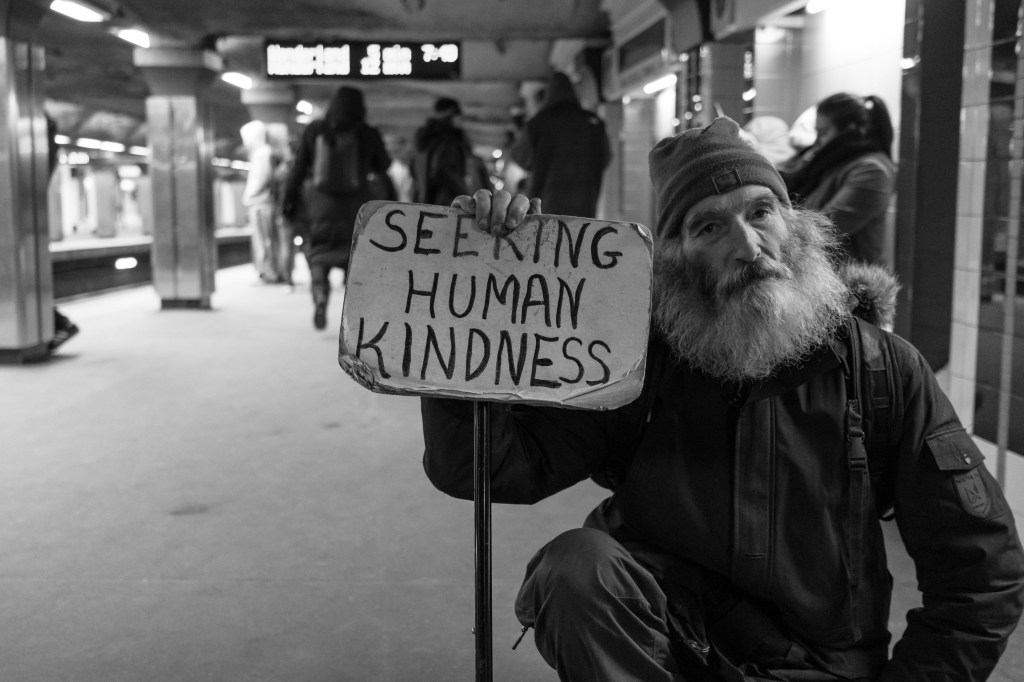
Engaging with individuals experiencing homelessness can be a meaningful way to show kindness and affirm their dignity. Many people want to help but may feel unsure about what to say or do. Approaching these interactions with empathy, respect, and an open mind can make a significant difference in someone’s day.
Approaching with Respect and Kindness
When interacting with a person experiencing homelessness, remember that they are individuals with unique stories, challenges, and aspirations. Approach them with the same respect and kindness you would offer to anyone else. A simple greeting such as “Hi, how are you?” can open the door to a meaningful conversation.
Tips for respectful engagement:
- Make eye contact and smile: These small gestures communicate that you see them as a person, not a problem.
- Use respectful language: Address them with courtesy, and avoid assumptions about their situation.
- Be mindful of body language: Approach in a way that feels non-threatening and welcoming.
- Introduce yourself if appropriate: This can help create a sense of mutual respect and connection.
What to Say (and What Not to Say)
Starting a conversation doesn’t have to be complicated. Many individuals experiencing homelessness feel isolated, so simply acknowledging them can brighten their day.
Good conversation starters:
- “How’s your day going?”
- “Is there anything you need right now that I can help with?”
- “Would you like a care pack or something to eat?”
- “Can I share information about local resources with you?”
What to avoid saying:
- “Why don’t you just get a job?” – Homelessness is complex, often tied to mental health, economic hardship, or lack of support systems.
- “You should go to a shelter.” – Some may have had negative experiences in shelters or prefer staying in familiar places.
- “You don’t look homeless.” – Homelessness is not always visible and affects people in different ways.
Listening with Empathy
Sometimes, offering a listening ear is more valuable than giving physical assistance. Allow the person to share their thoughts without judgment, and avoid rushing to provide solutions unless they ask for advice.
Active listening tips:
- Give them your full attention and avoid distractions.
- Nod or give small verbal affirmations like “I hear you” or “That sounds tough.”
- Ask open-ended questions to encourage sharing.
- Avoid interrupting or steering the conversation.
Offering Help Without Judgment
If the individual expresses a need, be prepared to offer practical assistance, such as:
- Providing a care pack with essential items.
- Sharing information about local shelters, food banks, or medical services.
- Offering to buy a meal or a cup of coffee if you’re able.
Even if you’re unable to provide tangible help, simply offering your time and compassion can have a profound impact.
Safety and Boundaries
While most individuals experiencing homelessness are not dangerous, it’s important to set healthy boundaries and ensure your own safety:
- Approach in well-lit, public areas.
- Avoid giving large amounts of cash; instead, provide resources or items they may need.
- Trust your instincts—if a situation feels unsafe, it’s okay to walk away.
The Power of a Compassionate Approach
Your willingness to engage with kindness and empathy can make a real difference in someone’s life. Even a brief, compassionate interaction can help restore a sense of dignity and belonging. Every person deserves to be seen, heard, and treated with respect—your conversation could be a step toward positive change.
 Tallahassee Compassion Project