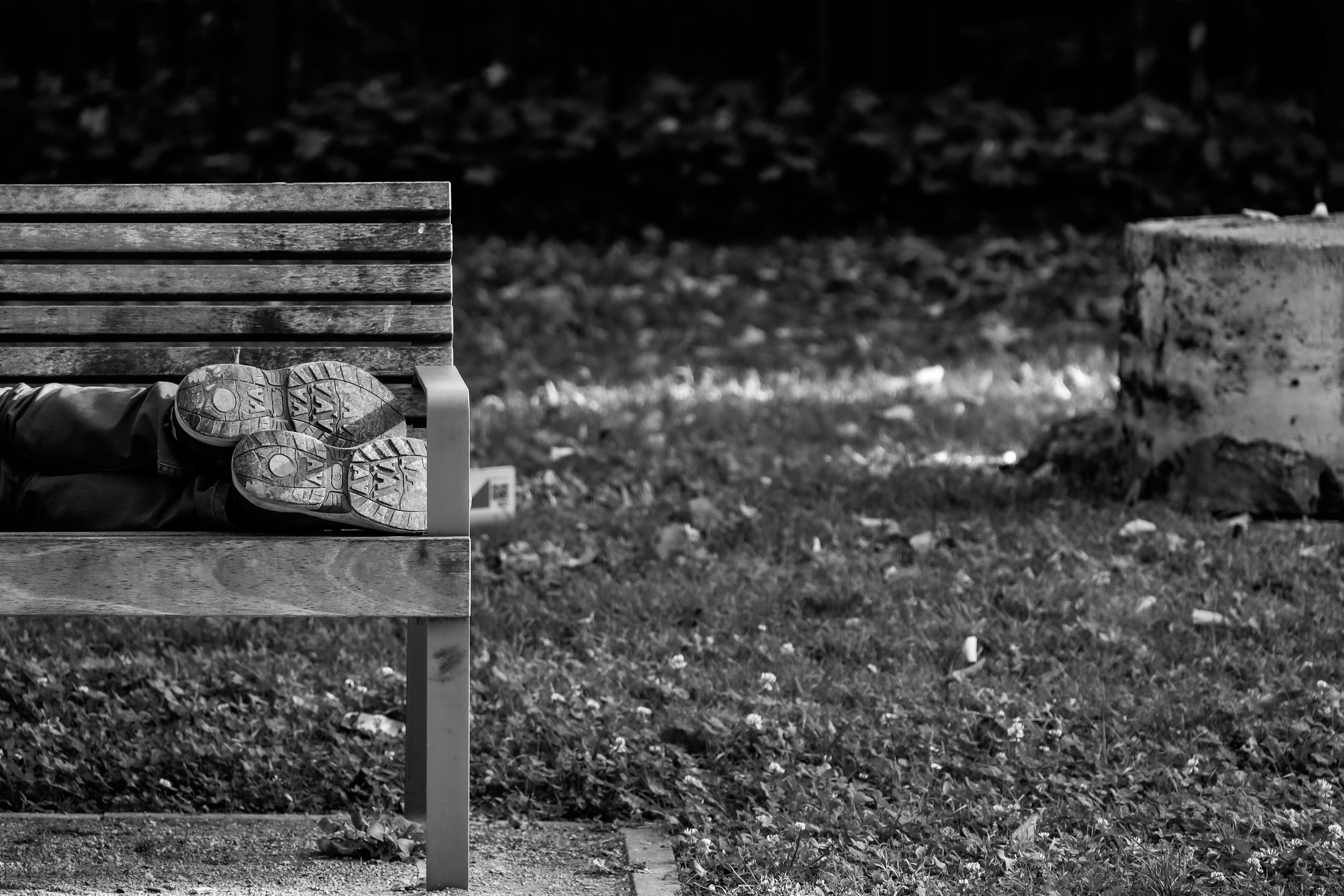
Homelessness is a complex issue that affects individuals and families from all walks of life. It is often misunderstood, with many common myths obscuring the deeper systemic and personal challenges that contribute to it. By understanding the root causes and addressing misconceptions, we can foster a more compassionate and informed approach to helping those in need.
Causes of Homelessness
Homelessness is rarely the result of a single factor; rather, it arises from a combination of economic, social, and personal challenges, including:
1. Economic Hardship
A lack of affordable housing, rising living costs, and stagnant wages are leading causes of homelessness. Many individuals and families live paycheck to paycheck, and a sudden financial crisis—such as job loss, medical bills, or unexpected expenses—can quickly result in losing stable housing.
2. Mental Health Challenges
Mental health conditions, such as depression, PTSD, and substance use disorders, can make it difficult for individuals to maintain employment, relationships, and financial stability. Without access to proper healthcare and support services, these challenges can lead to homelessness and make it harder to regain stability.
3. Domestic Violence
Many people, particularly women and children, become homeless while escaping abusive relationships. They may be forced to leave their homes suddenly, often without financial resources or a safe place to go. Shelters and transitional housing programs play a critical role in offering protection and support.
4. Systemic Issues
Structural factors such as racial and economic inequality, gaps in social services, and lack of access to education or employment opportunities disproportionately impact marginalized communities. Discrimination in housing and employment can further push vulnerable individuals into homelessness.
5. Health Crises and Disabilities
Chronic illnesses, disabilities, and medical emergencies can lead to job loss and financial ruin, making it difficult for individuals to afford housing and healthcare simultaneously. Without adequate support systems, they may find themselves without a home.
Common Misconceptions About Homelessness
Myth 1: “Homelessness is a choice.”
Reality: No one chooses to be homeless. People experiencing homelessness often face circumstances beyond their control, such as economic downturns, domestic violence, or mental health crises.
Myth 2: “Homeless people don’t want to work.”
Reality: Many individuals experiencing homelessness do have jobs but struggle to afford housing due to low wages and high living costs. Others face significant barriers to employment, such as lack of transportation, identification, or stable living conditions.
Myth 3: “Homelessness only affects people with addiction issues.”
Reality: While substance use can be a contributing factor, it is not the sole cause of homelessness. Many people become homeless due to financial hardships, health issues, or family crises.
Myth 4: “Providing assistance will only enable homelessness.”
Reality: Support services, such as housing assistance and job training, help individuals regain stability and independence. Compassionate aid empowers people to rebuild their lives, not perpetuate homelessness.
Myth 5: “Homelessness can’t happen to me.”
Reality: Homelessness can affect anyone, regardless of background or education. An unexpected crisis, such as job loss, illness, or natural disaster, can put anyone at risk of losing their home.
How You Can Help
Understanding the causes and realities of homelessness is the first step toward meaningful change. You can make a difference by:
- Supporting local organizations that provide housing and resources.
- Advocating for affordable housing policies and mental health services.
- Educating others to combat harmful stereotypes and foster empathy.
- Volunteering your time to offer hands-on support and compassion.
By addressing the root causes and challenging misconceptions, we can create a community that uplifts and supports individuals experiencing homelessness with dignity and hope.
 Tallahassee Compassion Project